Insights on Web3 and Finance

Perspectives on digital assets, risk management, board governance, and leadership at the intersection of TradFi and DeFi.

· 15 min read

AI Agents Have Credit Cards. The Risk Framework Hasn't Caught Up.

Robinhood's May 2026 launch of an Agentic Credit Card put a virtual payment credential in the hands of AI agents for the first time at a major consumer brokerage. Over $73 million in agent payments have already settled across 176 million on-chain transactions, with 98.6% running through a single stablecoin issuer. The liability question of who bears responsibility when an agent exceeds its mandate has no regulatory answer yet. The infrastructure is live. The frameworks are not.

Read article →
· 15 min read

The Keys Were Always the Weakest Link. Crypto Still Hasn't Fixed It.

Gravity Bridge lost $5.4 million on May 30 through a suspected signing key compromise, the latest in eight bridge exploits that cost the crypto ecosystem $328.6 million in a single month. The root cause is not new code vulnerabilities. It is the same concentrated signing authority problem that traditional finance spent fifty years learning to control through hardware security modules and dual-authorization requirements. The industry keeps paying the tuition. It has not yet taken the course.

Read article →
· 6 min read

A Tale of Two IPOs

The SpaceX IPO will be the largest in recorded history, but the most consequential question isn't about Starlink's revenue or the Mars narrative. Thousands of investors hold tokenized SpaceX exposure through pre-IPO wrapping structures, synthetic instruments, and offshore perpetual futures whose settlement mechanics have never been tested at real institutional scale. Clean settlement validates the on-chain private market thesis in a way no whitepaper ever could. Messy settlement sets that narrative back by years, and the damage won't be contained to SpaceX tokenholders.

Read article →
· 7 min read

Cross-Chain Bridges: The CDOs of DeFi?

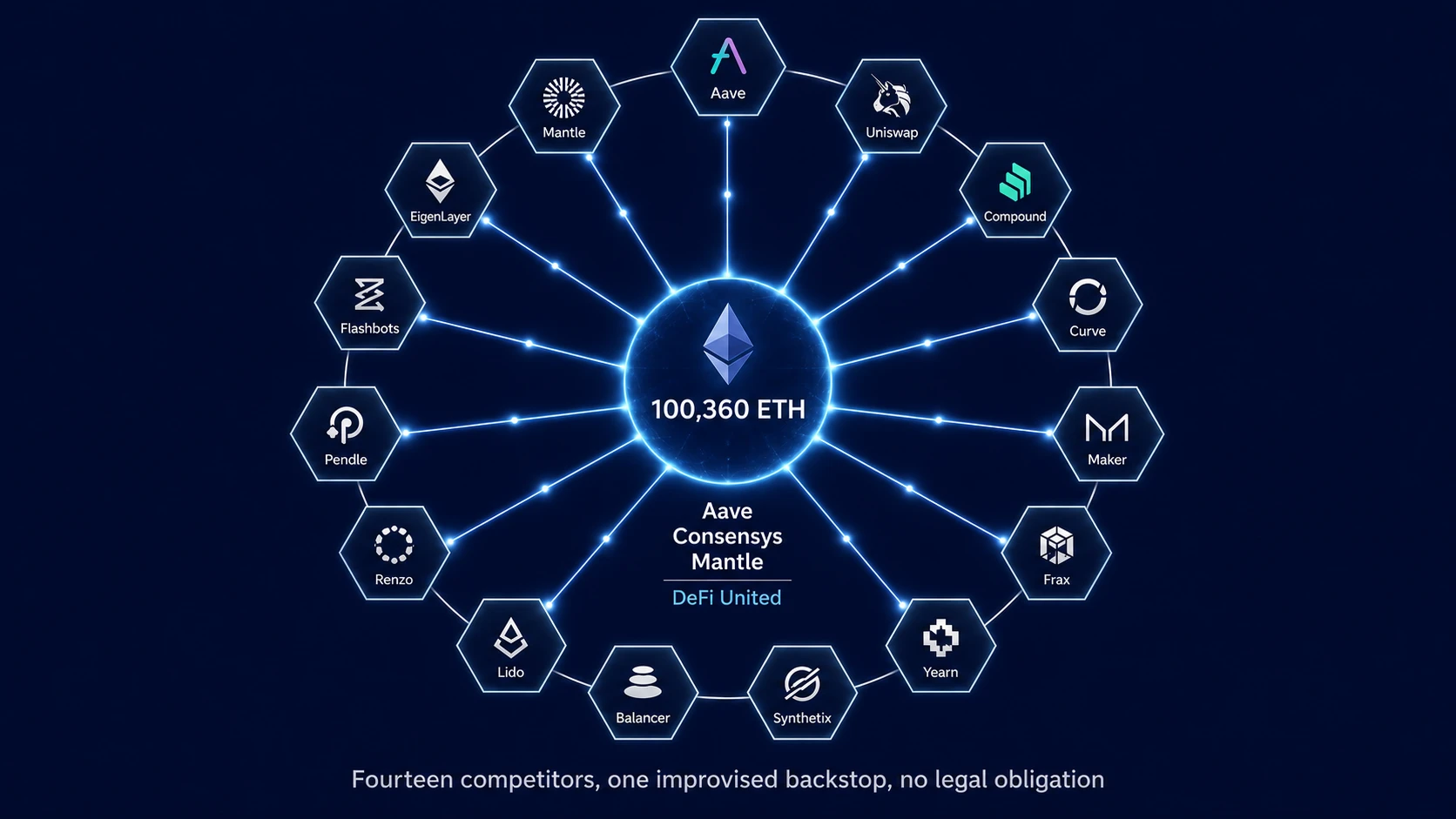
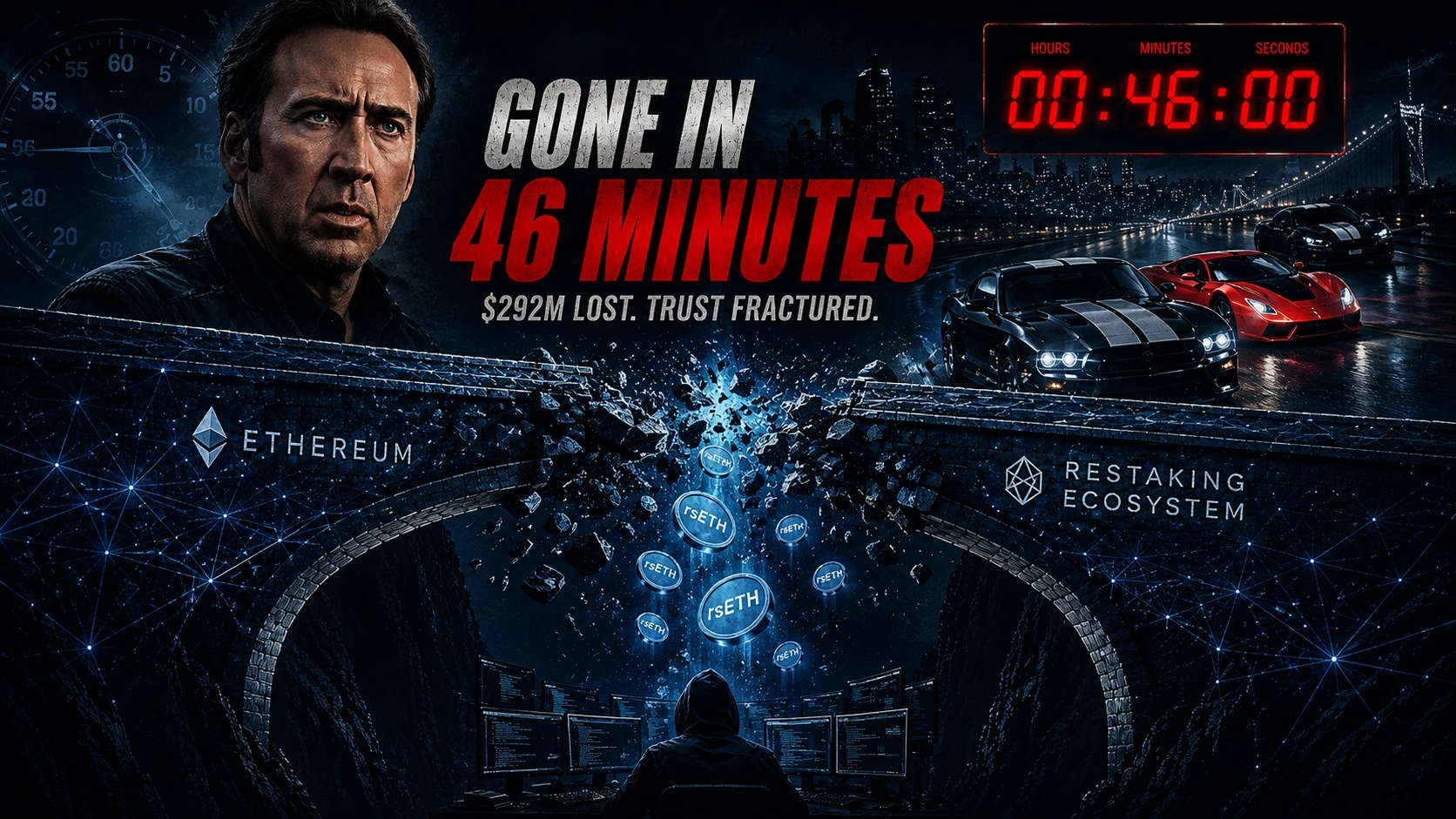
Two cross-chain exploits in one news cycle, $292 million from KelpDAO, $10.8 million from Thorchain, triggered $4 billion in asset migrations and exposed a textbook concentration risk that was hiding in plain sight. DeFi built interconnected financial infrastructure at scale without anyone running a counterparty exposure report; TradFi learned that lesson in 2008, and the cost of relearning it tends to compound. Whether the exodus is a market correctly repricing risk or the first leg of a longer unwind is the question DeFi hasn't yet answered.

Read article →
· 6 min read

A 25-Year-Old Just Got a US Bank Charter. The OCC Is Telling You Something.

Augustus just received a conditional OCC national bank charter, only the eighth since 2010. AI-native architecture. Stablecoin settlement by default. Clients like Kraken. Backed by Thiel's Valar Ventures. And a CEO who isn't 26 yet. Having spent years on the regulatory side of large institutions, I know what an OCC charter application actually costs in time, capital, and institutional endurance. This one should make every bank still debating stablecoin strategy very uncomfortable.

Read article →
· 6 min read

Brazil Didn't Kill the Dollar Demand. It Just Made It Invisible.

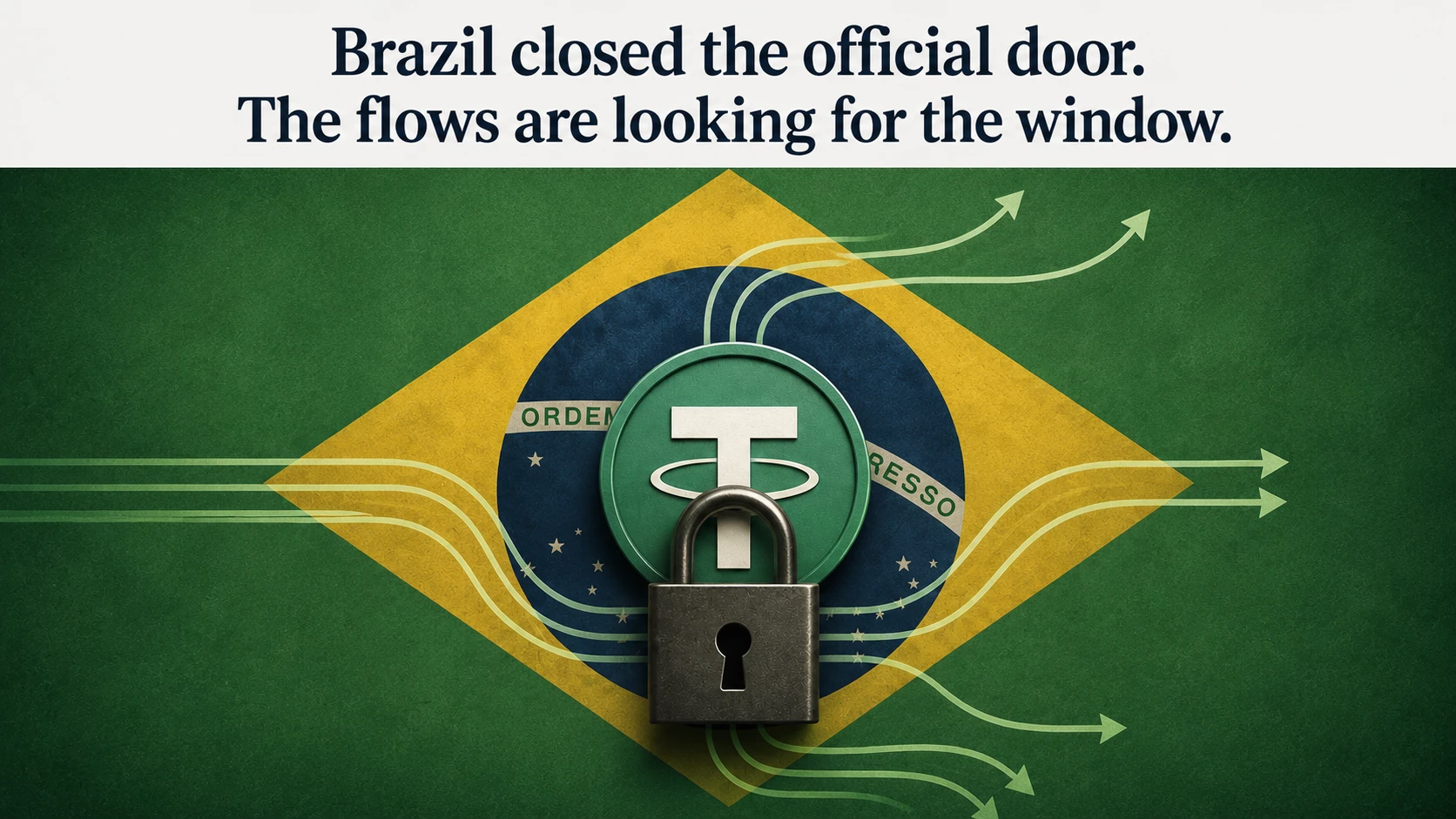
Brazil's Central Bank has barred stablecoins from its official eFX rail from October 1st, a clean rule for firms like Nomad and Braza Bank, but one that redirects rather than eliminates the roughly 90% of crypto-linked cross-border volume currently running through that system. Malaysia in 2021 and India's post-UPI period both ran the same experiment: reported crypto settlement fell, total cross-border flows held, and capital found its own route. Regulators gain a cleaner audit surface on a smaller slice of the actual market, which is a different thing from gaining control of it.

Read article →